Our Products
- Water Softener Systems
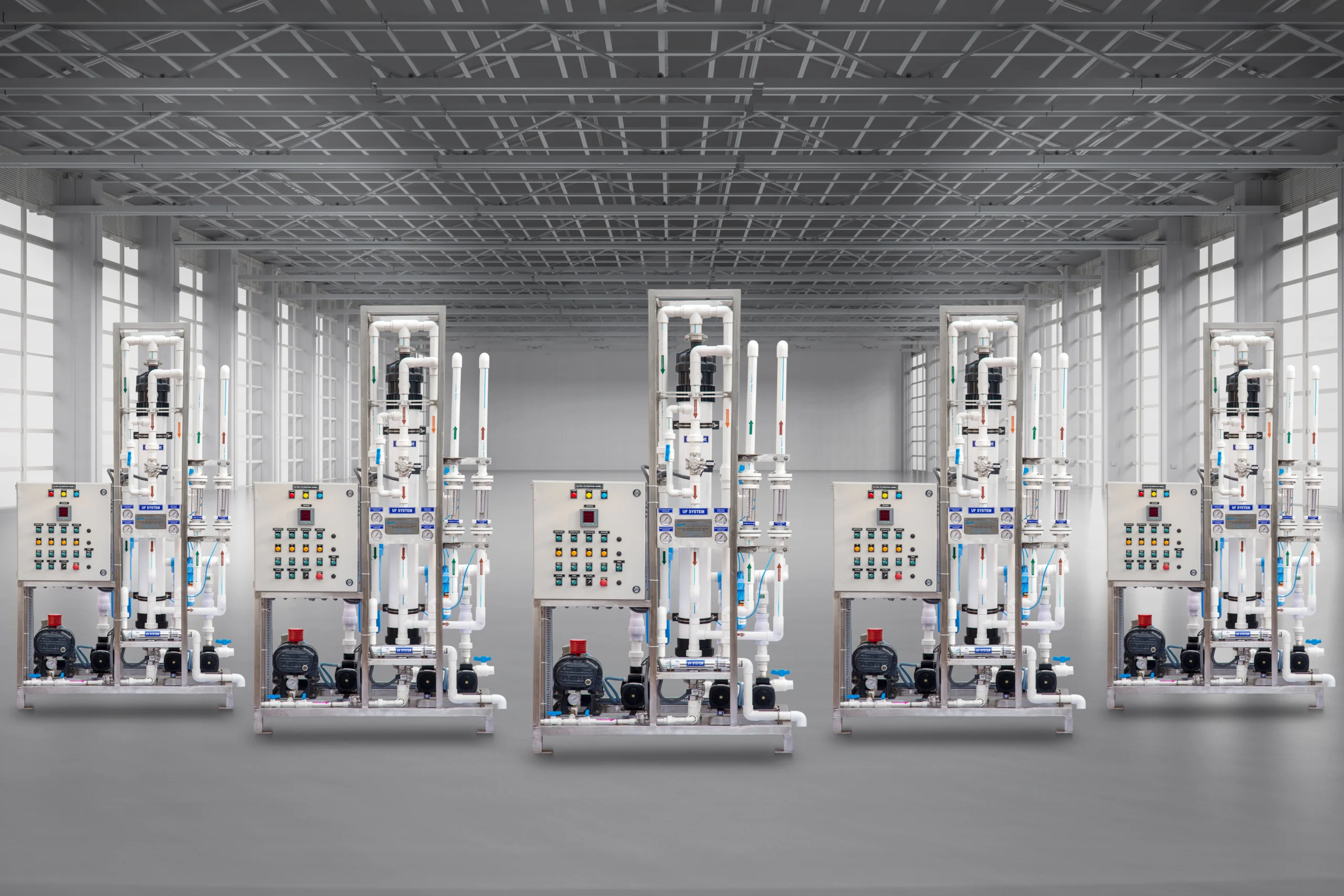
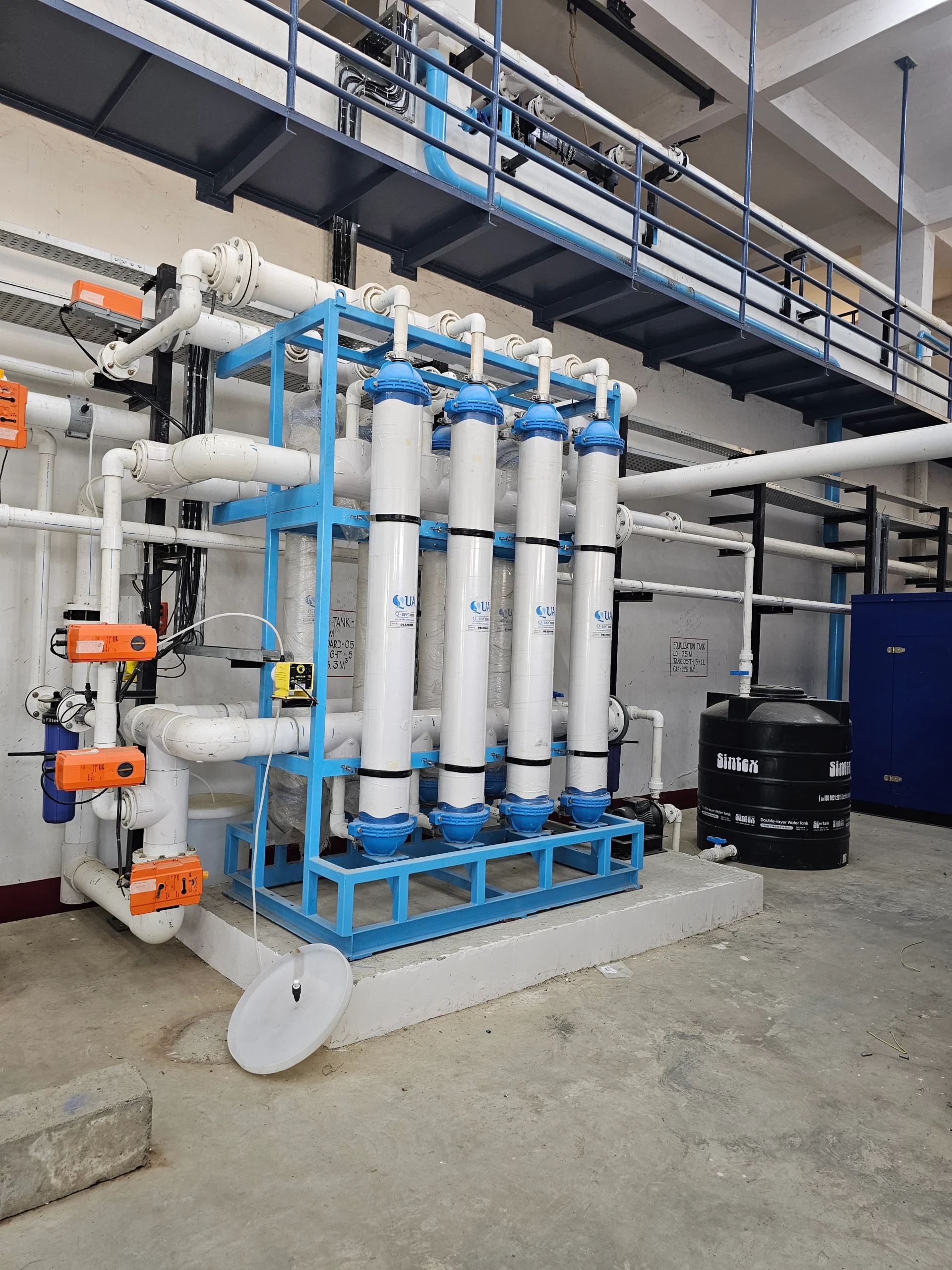
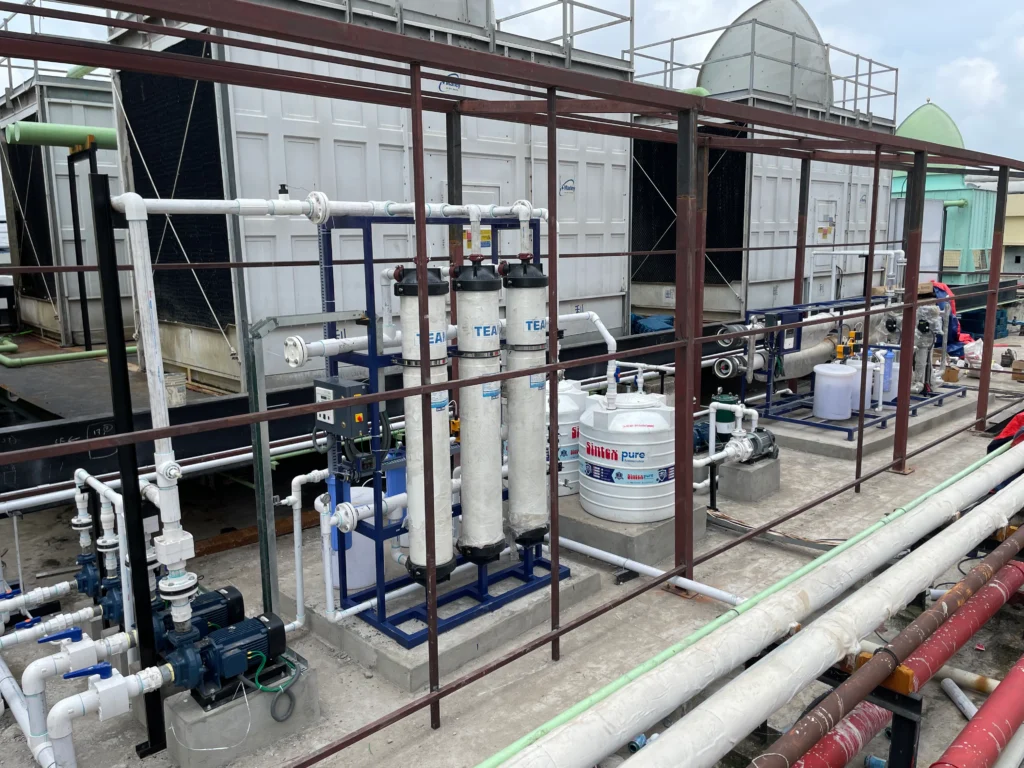
- Ultrafiltration (UF) Systems
- Reverse Osmosis (RO) Plant
- Organic Waste Converters (OWC)
- DAF (Dissolved Air Flotation)
- Screw Press
- FEDI (Flow Equalization & Distribution Inlet)
- Oil Skimmer
- DM Plant (Demineralization Plant)
- Polishing RO (Reverse Osmosis)
- Dialysis RO (Haemodialysis-Grade RO)
- Dechant Mechanism (Decanting System)
- Automated Bar Screen
Automated Bar Screen
Used at the inlet of municipal wastewater treatment plants, industrial effluent treatment systems, pumping stations, and water intake structures to protect downstream equipment from coarse debris.
Unique Features
Automatically removes coarse solids, rags, and debris from incoming wastewater
Continuously operating raking mechanism prevents screen blinding
Adjustable screen openings from 3 mm to 100 mm to suit application
PLC-controlled with timer-based or differential pressure-based activation
Integrated compactor/washer reduces screenings volume and odor
Stainless steel (SS304/SS316) construction for corrosion resistance
Frequently asked questions
Coarse bar screens have openings of 20–100 mm and remove large debris like rags, plastics, and sticks. Fine screens have openings of 0.5–6 mm and remove finer particles like seeds, hair, and fibres. Both are typically installed in series at plant inlets.
Automated bar screens can be activated by a timer (raking at set intervals), by differential water level sensors (activated when upstream-downstream head difference exceeds a threshold indicating blockage), or by continuous operation mode during peak flow periods.
Screenings are transported by the raking mechanism to a collection chute or conveyor, then typically washed and compacted by an integrated screenings washer/compactor. The compacted, dewatered screenings are bagged and sent to landfill or incineration.
Routine maintenance includes daily inspection of the rake mechanism and screen bars, weekly cleaning of the screen frame and chute, monthly inspection of drive components and chains, and periodic lubrication of bearings. Stainless steel construction significantly reduces corrosion-related maintenance.