
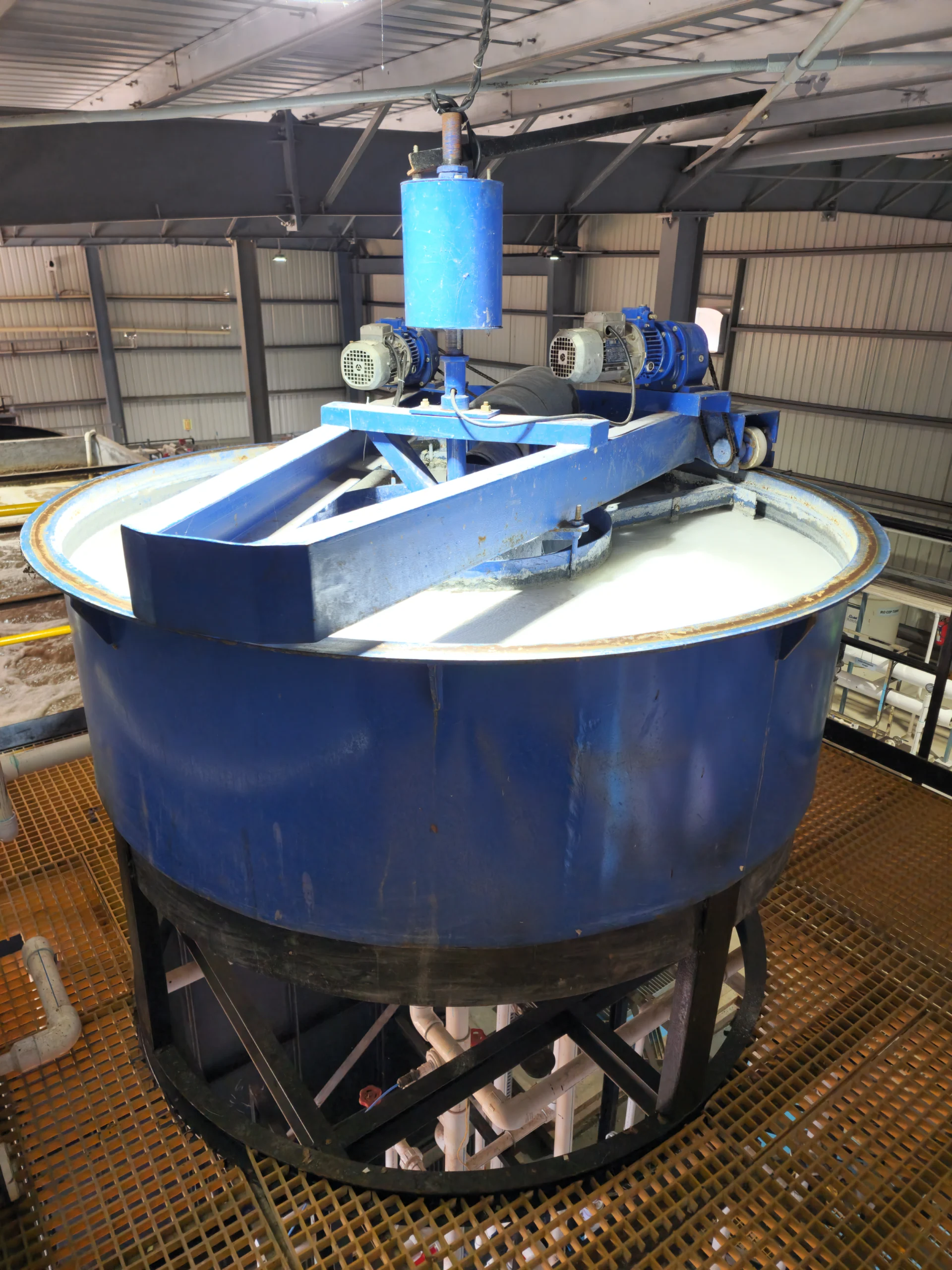
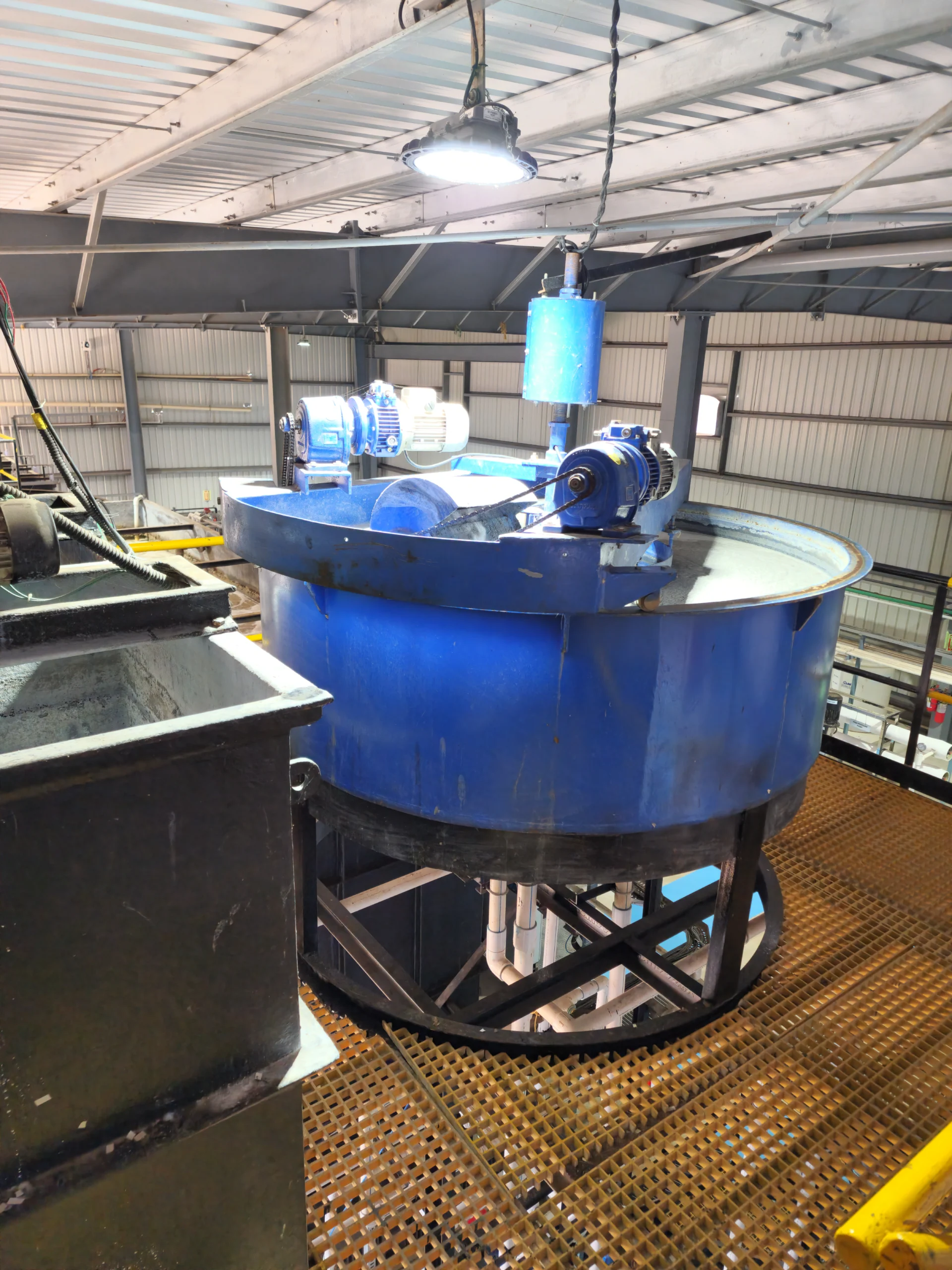
DAF (Dissolved Air Flotation)
Widely used in food & beverage, paper & pulp, rendering plants, slaughterhouses, oil refineries, and municipal primary treatment where high suspended solids and FOG removal is required.
Unique Features
Efficiently removes suspended solids, fats, oils, and grease (FOG) by flotation
Micro-bubbles (10–100 microns) generated by pressurized recycle attach to flocs
High surface loading rates (3–10 m/h) achieve rapid solids separation
Integrated chemical dosing (coagulation/flocculation) maximizes removal efficiency
Compact footprint compared to conventional gravity clarifiers
Achieves TSS removal >95% and BOD reduction of 50–70% in a single unit
Frequently Asked Questions
A conventional clarifier relies on gravity settling, which is slow and requires large tank volumes. A DAF uses micro-bubbles to float suspended particles to the surface, enabling faster separation in a much smaller footprint, especially effective for low-density particles and oily wastewater.
Coagulants (alum, ferric sulphate, or polyaluminium chloride) and flocculants (polyacrylamide-based polymers) are dosed upstream of the DAF to destabilize colloidal particles and form flocs that can attach to rising micro-bubbles.
Recycle water is pressurized to 4–6 bar (60–90 psi) in a saturator vessel where air dissolves into the water. When this pressurized stream is released into the DAF tank at atmospheric pressure, micro-bubbles form and float the flocs.
The DAF produces a float sludge (skimmings) with 3–8% total solids. This is mechanically skimmed off the surface and sent to a sludge thickener or dewatering system (belt press, screw press) for further treatment before disposal.